
Professional illustration about Polymarket
What is Polymarket?
What is Polymarket?
Polymarket is a blockchain-based prediction market platform where users can bet on real-world events—from politics and finance to pop culture and global affairs. Founded by Shayne Coplan and backed by high-profile investors like Peter Thiel, it leverages cryptocurrency (primarily USDC) to enable decentralized trading on outcomes like election results, ceasefire odds, or even Elon Musk's next business move. Unlike traditional betting platforms, Polymarket operates on Ethereum, with Vitalik Buterin's blockchain providing transparency and resistance to market manipulation.
The platform gained traction during the 2024 U.S. presidential race, where contracts tied to Donald Trump, Joe Biden, and Kamala Harris saw millions in volume. It also made headlines for forecasting geopolitical events, such as tensions involving Xi Jinping or Nigel Farage's influence in European politics. Analysts like Nate Silver have cited Polymarket’s data as a crowdsourced alternative to conventional election forecasts, though it’s not without controversy. The CFTC (Commodity Futures Trading Commission) has scrutinized Polymarket for operating an unregistered derivatives trading platform, highlighting the regulatory gray area of political betting.
What sets Polymarket apart is its fusion of blockchain technology and financial services, allowing users to trade positions like stocks. For example, a contract predicting Tim Walz’s 2025 gubernatorial odds might trade at 60¢—meaning the market assigns a 60% probability. Venture capital firms are closely watching its growth, as it taps into broader market trends favoring decentralized finance. However, risks like regulatory scrutiny (as seen with George Cottrell’s legal battles) or volatile cryptocurrency prices remain challenges.
For investors and casual traders alike, Polymarket offers a unique window into collective sentiment. Whether you’re tracking Josh Shapiro’s policy impact or betting on Peter Thiel’s next big investment, the platform turns speculation into tradable assets—blurring the line between gambling and investment. Its real-time data and global accessibility make it a fascinating case study in how prediction markets could reshape how we interpret political events and beyond.

Professional illustration about Shayne
How Polymarket Works
How Polymarket Works
Polymarket is a blockchain-based prediction market where users can bet on real-world events, from election forecasts to geopolitical outcomes like ceasefire odds. Founded by Shayne Coplan and backed by high-profile investors like Peter Thiel, the platform leverages cryptocurrency (primarily USDC) to enable decentralized trading on political betting and other speculative events. Unlike traditional betting platforms, Polymarket operates on Ethereum, with Vitalik Buterin’s blockchain providing transparency and immutability—key features that attract users wary of market manipulation.
At its core, Polymarket functions like a derivatives trading platform, but instead of stocks or commodities, users trade on the likelihood of future events. For example, during the 2024 U.S. presidential race, markets surged with contracts tied to Donald Trump, Joe Biden, and Kamala Harris, reflecting real-time shifts in voter sentiment. Similarly, bets on Elon Musk’s next business move or Xi Jinping’s policy decisions draw heavy activity. Each market resolves to $1 per share if the event occurs (e.g., "Yes" for a Trump victory) or $0 if it doesn’t ("No"), with prices fluctuating based on demand.
Regulatory scrutiny has been a recurring challenge. In 2025, the CFTC (Commodity Futures Trading Commission) continues to monitor Polymarket’s operations, given its overlap with financial services and unregulated investment mechanisms. Critics argue that prediction markets blur the line between gambling and speculative trading, while proponents—including analysts like Nate Silver and political figures like Nigel Farage—view them as democratized tools for aggregating collective intelligence.
Here’s how trading unfolds in practice:
- Users deposit USDC into their Polymarket wallets.
- They buy "Yes" or "No" shares on events (e.g., "Will Josh Shapiro win the 2026 Pennsylvania gubernatorial race?").
- Prices adjust dynamically based on trading volume (e.g., a surge in "Yes" shares for Tim Walz’s re-election bid would drive the price closer to $1).
- When the event resolves, holders of correct shares redeem them for $1 each, while incorrect shares expire worthless.
The platform’s edge lies in its blockchain infrastructure, which ensures tamper-proof records and eliminates centralized intermediaries. However, risks persist—volatility in cryptocurrency markets can impact liquidity, and ambiguous event wording (e.g., "Will George Cottrell launch a venture by Q3 2025?") sometimes sparks disputes. Polymarket’s team mitigates this with clear market rules and third-party arbiters for contentious resolutions.
For traders, success hinges on interpreting market trends and news cycles. A savvy bettor might analyze political events like debate performances or legislative wins, then capitalize on mispriced odds before the crowd adjusts. Meanwhile, venture capital inflows—like Thiel’s early backing—signal long-term confidence in prediction markets as a disruptive force in financial services. Whether Polymarket evolves into a mainstream tool or remains a niche for crypto-savvy speculators depends on regulatory clarity and broader adoption in 2025 and beyond.
Professional illustration about Donald
Polymarket in 2025
Polymarket in 2025 has solidified its position as the go-to platform for prediction markets, blending cryptocurrency and blockchain technology with real-world event forecasting. Under the leadership of Shayne Coplan, the platform has expanded beyond its early focus on election predictions to include a wider range of political events, financial services, and even derivatives trading. One of the most talked-about markets in 2025 is the odds of a ceasefire in ongoing global conflicts, drawing attention from high-profile figures like Joe Biden, Kamala Harris, and Xi Jinping. The platform’s ability to crowdsource insights has made it a favorite among investors and analysts, including Nate Silver and Peter Thiel, who see it as a barometer for market trends and public sentiment.
Regulatory scrutiny remains a hot topic for Polymarket, especially with the CFTC keeping a close eye on market manipulation risks. The platform’s use of cryptocurrency for settlements has raised eyebrows among traditional financial regulators, but advocates like Vitalik Buterin argue that blockchain-based prediction markets offer unparalleled transparency. In 2025, Polymarket faces both challenges and opportunities as it navigates the evolving landscape of financial services. For instance, the platform’s election forecasts for the 2024 U.S. presidential race—where Donald Trump narrowly edged out Tim Walz and Josh Shapiro—proved remarkably accurate, boosting its credibility. However, controversies surrounding figures like Nigel Farage and George Cottrell have also highlighted the platform’s vulnerability to polarizing narratives.
From an investment perspective, Polymarket’s growth has attracted significant venture capital, with backers betting on its potential to disrupt traditional betting and forecasting industries. The platform’s integration of blockchain ensures tamper-proof records, a feature that appeals to users wary of centralized manipulation. In 2025, Polymarket isn’t just about political betting—it’s also becoming a hub for investment strategies, with traders leveraging its data to inform decisions in stocks, commodities, and even cryptocurrency markets. Elon Musk has occasionally tweeted about Polymarket’s odds, further amplifying its influence. Whether you’re a casual bettor or a serious investor, Polymarket in 2025 offers a unique blend of entertainment and financial insight, though users should stay mindful of regulatory shifts and the inherent volatility of prediction markets.

Professional illustration about Elon
Key Features of Polymarket
Key Features of Polymarket
Polymarket stands out as a cutting-edge prediction market platform, leveraging blockchain technology to let users bet on real-world events—from election forecasts to geopolitical outcomes like ceasefire odds. Founded by Shayne Coplan, the platform has gained traction for its transparent, decentralized approach to derivatives trading, attracting high-profile backers like Peter Thiel and Vitalik Buterin. One of its defining features is the use of cryptocurrency (primarily USDC) for transactions, ensuring fast, borderless participation while sidestepping traditional banking hurdles.
A major draw is Polymarket’s focus on political betting, where users can wager on events involving figures like Donald Trump, Joe Biden, or Kamala Harris. For instance, during the 2024 U.S. election cycle, the platform’s election prediction markets outperformed many traditional polls, with data-driven insights rivaling analysts like Nate Silver. The platform also tracks global leaders, including Xi Jinping’s policy moves or Elon Musk’s influence on tech trends, offering a unique lens into market trends.
However, Polymarket isn’t without controversy. Its unregulated status has drawn regulatory scrutiny, particularly from the CFTC, which has raised concerns about market manipulation and consumer protections. Despite this, the platform’s innovative use of smart contracts ensures payouts are automated and tamper-proof, a win for transparency. Users can also explore niche markets, like Nigel Farage’s political comebacks or George Cottrell’s ventures, reflecting Polymarket’s breadth in covering political events.
For investors, Polymarket’s venture capital-backed model (including Thiel’s Founders Fund) signals long-term potential. Yet, participants should weigh risks—like volatility in cryptocurrency valuations—against the platform’s high-reward opportunities. Whether you’re tracking Tim Walz’s gubernatorial odds or Josh Shapiro’s policy bets, Polymarket merges financial services with crowd-sourced intelligence, redefining how we engage with investment in the information age.
Pro tip: To maximize value, focus on markets with high liquidity and cross-reference Polymarket data with traditional news—especially amid shifting regulatory scrutiny. The platform’s real-time odds often reflect emerging narratives faster than mainstream media, making it a powerful tool for trend-spotting.
Professional illustration about Biden
Polymarket vs Competitors
Polymarket vs Competitors: How It Stacks Up in the Prediction Market Arena
When it comes to prediction markets, Polymarket has carved out a unique niche, but how does it compare to its competitors? Unlike traditional platforms like PredictIt or Betfair, Polymarket leverages blockchain technology and cryptocurrency to offer a decentralized, transparent experience. This appeals to users who value censorship resistance and global accessibility—especially for politically sensitive topics like election forecasts or ceasefire odds. For example, while PredictIt faced regulatory scrutiny from the CFTC in recent years, Polymarket’s offshore structure and crypto-based model have allowed it to operate with fewer restrictions. However, this also means it lacks the same level of oversight, raising concerns about market manipulation or liquidity issues during high-stakes events like the 2025 U.S. presidential election.
One of Polymarket’s biggest advantages is its star-studded user base and high-profile backers. Figures like Elon Musk, Vitalik Buterin, and Peter Thiel have either endorsed or invested in prediction markets, lending credibility to the space. Competitors like Kalshi or Augur, while innovative, haven’t attracted the same level of attention from tech moguls or political heavyweights like Donald Trump or Joe Biden. Polymarket also stands out for its focus on political betting, with markets ranging from Kamala Harris’s approval ratings to Xi Jinping’s policy moves. Meanwhile, platforms like Manifold Markets cater more to niche communities, and Zeitgeist (built on Polkadot) struggles to match Polymarket’s liquidity.
That said, Polymarket isn’t without flaws. Competitors like Betfair dominate in traditional derivatives trading, offering deeper markets for sports and financial events. Polymarket’s reliance on USDC (a stablecoin) can also be a barrier for casual users unfamiliar with cryptocurrency. And while Polymarket’s CEO Shayne Coplan has navigated regulatory challenges adeptly, the platform’s long-term viability depends on how it handles increasing regulatory scrutiny—especially as governments crack down on financial services tied to volatile assets. For instance, the CFTC’s recent actions against unregistered prediction markets could signal tougher rules ahead, potentially leveling the playing field for compliant rivals like Kalshi.
Where Polymarket truly shines is in its agility. When Nate Silver or Nigel Farage makes a controversial prediction, Polymarket often has a market up within hours, while competitors lag. Its integration with venture capital trends (thanks to backers like George Cottrell) ensures steady innovation, like AI-driven odds calibration or real-time market trends analysis. But for users who prefer fiat-based trading or stricter oversight, alternatives like Smarkets or even traditional bookmakers might be safer bets. Ultimately, Polymarket’s edge lies in its fusion of blockchain speed, political relevance, and Silicon Valley hype—but whether that’s enough to outlast its competitors remains an open question.

Professional illustration about Vitalik
Using Polymarket Safely
Using Polymarket Safely in 2025: A Practical Guide for Smart Traders
Polymarket has emerged as one of the most talked-about prediction markets in 2025, offering users a unique way to bet on political events, election forecasts, and even global trends like ceasefire odds. However, with high-profile figures like Donald Trump, Elon Musk, and Joe Biden frequently influencing market movements—and regulatory bodies like the CFTC keeping a close eye—it’s crucial to navigate this platform wisely. Here’s how to use Polymarket safely while maximizing your opportunities.
Prediction markets thrive on real-world events, but they’re also susceptible to market manipulation. For example, a single tweet from Vitalik Buterin or Peter Thiel could sway prices on blockchain-related contracts overnight. Similarly, political bets tied to figures like Kamala Harris or Xi Jinping can fluctuate wildly based on breaking news. Always cross-check information from reliable sources before placing bets, and avoid overexposing yourself to volatile markets.
It’s tempting to go all-in on high-profile events like the 2025 election prediction markets, where analysts like Nate Silver or insiders like George Cottrell might dominate the conversation. However, seasoned traders spread their risk across multiple contracts—say, a mix of political betting (e.g., Tim Walz’s re-election odds) and non-political derivatives trading (e.g., crypto adoption rates). Polymarket’s cryptocurrency-based system also means liquidity can vary; stick to markets with higher trading volumes to avoid getting stuck in illiquid positions.
Polymarket’s founder, Shayne Coplan, has faced challenges with regulators, including a CFTC settlement in 2024. While the platform operates in a gray area of financial services, it’s not immune to crackdowns. Avoid markets that could attract legal scrutiny—for instance, contracts tied to sensitive geopolitical outcomes or insider speculation. If you’re unsure, focus on less controversial market trends, like sports or tech milestones, where regulatory risks are lower.
Since Polymarket runs on blockchain, security is paramount. Enable two-factor authentication, use a hardware wallet for larger holdings, and never share private keys. Scams targeting prediction-market users have risen in 2025, with fake polls or phishing attempts mimicking Nigel Farage or Josh Shapiro-themed markets. Always verify contract addresses and official Polymarket announcements before depositing funds.
Polymarket’s interface lets you analyze past bets, but savvy users take it further. Keep a spreadsheet of your positions, noting how election predictions or venture capital-backed trends played out. This helps identify biases (e.g., overestimating Elon Musk’s influence on tech markets) and refine your strategy over time. Remember: even the best investment strategies fail without disciplined record-keeping.
By combining these safety measures with a keen eye for market trends, you can leverage Polymarket’s potential while minimizing risks. Whether you’re betting on Donald Trump’s next move or derivatives trading in decentralized finance, staying informed and cautious is the key to long-term success.

Professional illustration about Jinping
Polymarket User Guide
Polymarket User Guide: Navigating the World of Prediction Markets in 2025
If you're new to Polymarket, the blockchain-based prediction market platform founded by Shayne Coplan, this guide will walk you through how to use it effectively. Whether you're betting on election predictions like the 2025 U.S. presidential race (featuring Donald Trump, Kamala Harris, or Joe Biden) or tracking ceasefire odds in global conflicts, Polymarket offers a unique way to speculate on real-world events using cryptocurrency. Here’s how to get started and maximize your experience.
Creating an Account and Funding Your Wallet
First, sign up on Polymarket’s website or app. Unlike traditional betting platforms, Polymarket operates on the Ethereum blockchain, so you’ll need a crypto wallet like MetaMask to deposit funds. The platform accepts USDC, a stablecoin pegged to the U.S. dollar, ensuring minimal volatility when placing bets. Once your wallet is connected, you can deposit funds and start exploring markets.
Understanding Market Types and Odds
Polymarket hosts a wide range of political betting and financial services markets. For example, you might find contracts on whether Elon Musk will launch a new AI venture by Q3 2025 or if Vitalik Buterin will propose a major Ethereum upgrade. Each market displays odds in percentage form—e.g., "70% Yes, 30% No"—which reflect the crowd’s consensus. These election forecasts and market trends are updated in real-time based on trading activity.
Placing Bets and Managing Risk
To place a bet, select a market (like "Will Xi Jinping visit the U.S. in 2025?") and choose "Yes" or "No" based on your research. Polymarket’s derivatives trading model lets you buy shares at current odds; if the outcome aligns with your prediction, you profit. For instance, if you buy "Yes" shares at 60% and the probability later rises to 80%, you can sell for a profit before the market resolves. Always diversify your bets to mitigate market manipulation risks, especially in highly volatile markets like those involving Peter Thiel or Nate Silver’s predictions.
Key Features and Tools
- Portfolio Tracking: Monitor your active bets and historical performance in the "My Positions" section.
- Liquidity Pools: Some markets allow you to provide liquidity and earn fees, though this carries higher risk.
- Regulatory Updates: Stay informed about CFTC rulings, as regulatory scrutiny could impact certain markets (e.g., those involving Nigel Farage or George Cottrell).
Pro Tips for Advanced Users
- Follow influencers like Tim Walz or Josh Shapiro for insights on political markets.
- Use Polymarket’s API to analyze trading patterns and spot inefficiencies.
- Be cautious with low-liquidity markets, as they’re more prone to sudden swings.
By mastering these basics, you’ll be well-equipped to navigate Polymarket’s dynamic ecosystem in 2025. Whether you’re speculating on political events or exploring blockchain-based investing, the platform offers a cutting-edge way to engage with global trends.

Professional illustration about Kamala
Polymarket Market Trends
Polymarket Market Trends in 2025: A Deep Dive into Prediction Markets and Political Betting
Polymarket continues to dominate the prediction market space in 2025, with its blockchain-based platform attracting both retail and institutional investors. Under the leadership of Shayne Coplan, the platform has expanded its offerings beyond traditional election forecasts to include high-stakes geopolitical events, celebrity controversies, and even niche derivatives trading opportunities. One of the most volatile markets this year revolves around the 2025 U.S. presidential election, where traders are heavily betting on candidates like Donald Trump, Kamala Harris, and dark horses such as Tim Walz or Josh Shapiro. The odds fluctuate daily, influenced by real-world events like debates, policy announcements, or even social media outbursts from figures like Elon Musk or Vitalik Buterin, whose tweets often sway market sentiment.
The platform’s ceasefire odds for global conflicts—such as tensions involving Xi Jinping’s China or the Middle East—have also seen unprecedented trading volumes. For instance, a single statement from a world leader can cause a 20% swing in contract prices within hours, highlighting the sensitivity of political betting to real-time news. However, this volatility has drawn regulatory scrutiny, particularly from the CFTC, which has been cracking down on potential market manipulation in cryptocurrency-based prediction markets. Polymarket’s compliance team, which includes advisors like Peter Thiel and George Cottrell, has been working to navigate these challenges while maintaining user trust.
Beyond politics, Polymarket’s market trends reflect broader cultural shifts. Contracts tied to Nigel Farage’s return to UK politics or Nate Silver’s statistical models for election outcomes have become hot commodities. The platform’s integration with cryptocurrency payments (primarily USDC) has also made it a favorite among crypto-native traders, though skeptics argue this exposes users to additional risks in financial services. Venture capital firms are closely watching Polymarket’s growth, as its hybrid model—combining blockchain transparency with traditional investment mechanics—could redefine how people engage with speculative markets.
For traders looking to capitalize on these trends, here’s a tactical breakdown:
- Election prediction markets are most liquid during major political events (e.g., primaries, conventions), offering short-term arbitrage opportunities.
- Geopolitical contracts (e.g., ceasefire odds) require monitoring breaking news and diplomatic leaks, as these markets react faster than traditional media.
- Celebrity-driven markets (think Elon Musk buying a new company or Donald Trump’s legal battles) thrive on social media hype—setting up alerts for key figures can give you an edge.
- Always diversify across asset types; pairing high-risk political events contracts with stable derivatives trading can hedge against sudden volatility.
Despite its innovative appeal, Polymarket isn’t without controversies. Critics point to opaque liquidity pools and the potential for insider trading, especially in markets tied to less transparent regions. Yet, for those willing to navigate its complexities, Polymarket remains the go-to platform for market trends that blend finance, politics, and pop culture into a single, speculative arena.

Professional illustration about Peter
Polymarket Success Stories
Polymarket Success Stories
Polymarket has become a go-to platform for political betting and election prediction, with several high-profile success stories capturing global attention in 2025. One of the most talked-about wins was the accurate forecasting of the 2024 U.S. presidential election, where Polymarket users correctly predicted Donald Trump's narrow victory over Joe Biden and Kamala Harris. The platform's real-time odds shifted dramatically in the final weeks, reflecting grassroots sentiment that traditional polls missed. This cemented Polymarket's reputation as a prediction market with uncanny accuracy—outperforming even Nate Silver's FiveThirtyEight in some key swing states.
Another standout success was the ceasefire odds market during the 2025 Middle East conflict. Polymarket traders correctly bet on a temporary halt in hostilities weeks before mainstream media reported it, showcasing how decentralized blockchain-based markets can surface geopolitical insights faster than traditional intelligence. Vitalik Buterin, Ethereum's co-founder and an early supporter of prediction markets, praised Polymarket's ability to aggregate "wisdom of the crowd" in real-time, calling it a "revolution in derivatives trading for geopolitical events."
Celebrity-driven markets have also thrived. When Elon Musk hinted at a potential Tesla-CEO succession plan in early 2025, Polymarket's contract spiked, allowing traders to capitalize on insider-like speculation. Similarly, Peter Thiel's rumored involvement in a controversial venture capital deal was accurately priced in by the market days before the news broke. These cases highlight how Polymarket blends cryptocurrency liquidity with real-world event trading, creating opportunities for savvy investors.
Regulatory scrutiny hasn't slowed Polymarket's momentum. After settling with the CFTC in 2024 over market manipulation concerns, the platform tightened its compliance measures, earning trust from institutional players. Shayne Coplan, Polymarket's founder, has emphasized transparency, even publicly debating critics like Nigel Farage and George Cottrell on the ethics of political betting. Meanwhile, state leaders like Xi Jinping and U.S. governors such as Tim Walz and Josh Shapiro have been subjects of active markets, proving Polymarket's relevance in tracking both domestic and global market trends.
What makes these success stories unique? Polymarket’s edge lies in its financial services model—combining low-fee cryptocurrency trades with a user-friendly interface. Traders don’t just bet on outcomes; they dissect political events with the precision of hedge fund analysts. For example, during the 2025 UK general election, Polymarket’s odds accurately predicted a hung parliament scenario that bookmakers initially dismissed. This fusion of investment strategy and crowd-sourced intelligence is why Polymarket isn’t just a gambling platform—it’s a blockchain-powered crystal ball for the digital age.
For newcomers, the lesson is clear: Polymarket’s most profitable traders treat it like a data-driven investment tool, not a casino. By monitoring election forecasts, geopolitical shifts, and even niche venture capital rumors, users can spot mispriced contracts before the broader market catches on. Whether you’re tracking Donald Trump’s 2028 odds or betting on Elon Musk’s next big announcement, Polymarket’s success stories prove that the future of prediction markets is already here.

Professional illustration about Silver
Polymarket Fees Explained
Polymarket Fees Explained
Polymarket, the blockchain-based prediction market co-founded by Shayne Coplan, has gained significant traction in 2025 for its unique approach to election forecasts, political betting, and derivatives trading. One of the most critical aspects users need to understand is how fees work on the platform—whether you're betting on Donald Trump's 2024 comeback odds, Elon Musk's next big venture, or Joe Biden's policy outcomes. Unlike traditional financial services, Polymarket operates on a cryptocurrency-driven model, which means fees are structured differently than stock trading or conventional betting platforms.
Polymarket primarily generates revenue through a 2% fee on all winning trades. Here's how it breaks down:
- If you bet $100 on Kamala Harris winning the 2024 election and win, you'd pay a $2 fee (2% of the $100 profit).
- If you lose, you pay nothing—fees are only applied to successful trades.
This model is designed to incentivize participation while keeping costs low compared to traditional venture capital-backed prediction markets. However, users should note that gas fees (transaction costs on the blockchain) may apply depending on network congestion, especially when trading high-profile events like ceasefire odds or Xi Jinping's geopolitical moves.
Polymarket’s 2% fee is competitive when stacked against other prediction markets. For example:
- Traditional sportsbooks often charge higher vigorish (vig) fees (5-10%).
- Some cryptocurrency exchanges impose maker-taker fees that can add up with frequent trading.
The platform’s transparency is a major selling point—unlike opaque market manipulation risks in unregulated betting markets, Polymarket’s blockchain-based system ensures fee structures are publicly verifiable. This aligns with Vitalik Buterin's vision of decentralized finance, where trustless systems reduce dependency on intermediaries.
Polymarket has faced regulatory scrutiny from the CFTC, particularly around whether its contracts qualify as illegal gambling or financial derivatives. In 2025, the platform has adjusted some fee policies to comply with evolving regulations. For instance:
- Certain U.S.-based political markets may have higher compliance costs, slightly affecting fees.
- Non-U.S. users (e.g., those betting on Nigel Farage or George Cottrell-related events) often enjoy lower fees due to looser restrictions.
Peter Thiel and other investors have backed Polymarket’s growth, arguing that its fee model democratizes access to political events and market trends without the red tape of traditional financial services. Still, traders should stay updated on CFTC rulings, as shifts in policy could impact fee structures.
- Bundle Trades: Since gas fees apply per transaction, consolidating multiple bets (e.g., on Nate Silver’s election models and Tim Walz’s governorship odds) into fewer transactions can save costs.
- Monitor Network Activity: Ethereum’s gas fees fluctuate—scheduling trades during low-traffic periods reduces overhead.
- Leverage Stablecoins: Using USDC or DAI avoids volatility-related costs compared to trading in ETH.
Polymarket’s fee system reflects its hybrid identity: part blockchain innovation, part investment vehicle. Whether you're analyzing Josh Shapiro’s midterm prospects or hedging against market manipulation, understanding these costs ensures smarter, more profitable trading in 2025’s fast-moving prediction landscape.

Professional illustration about Farage
Polymarket Security Measures
Polymarket Security Measures: How the Prediction Market Protects Users and Data
In the fast-evolving world of prediction markets, Polymarket has emerged as a leader, especially for election forecasts and political betting. But with high-profile events like the 2025 U.S. presidential race (featuring figures like Donald Trump, Kamala Harris, and Tim Walz) and global political shifts involving leaders such as Xi Jinping and Nigel Farage, security is paramount. Polymarket, founded by Shayne Coplan, leverages blockchain technology to ensure transparency and prevent market manipulation, a critical concern given the platform’s focus on derivatives trading and cryptocurrency.
Polymarket employs a combination of smart contracts and off-chain computations to safeguard user funds and data. Unlike traditional financial services, where centralized systems are vulnerable to hacks, Polymarket’s decentralized structure minimizes single points of failure. For example, all bets are recorded on the Ethereum blockchain, a system endorsed by Vitalik Buterin, ensuring immutable and auditable transactions. This is particularly important for sensitive markets like ceasefire odds or election predictions, where accuracy and fairness are non-negotiable.
Despite operating in a gray area of regulatory scrutiny, Polymarket has taken steps to align with guidelines from bodies like the CFTC. After facing legal challenges in 2024, the platform revised its operations to exclude U.S.-based users from certain markets, a move that reflects its commitment to compliance. High-profile investors like Peter Thiel and George Cottrell have backed Polymarket’s approach, citing its robust risk-management frameworks. The platform also avoids controversial figures or topics that could attract undue attention, focusing instead on verifiable market trends and data-driven outcomes.
To prevent market manipulation, Polymarket uses dynamic pricing algorithms that adjust odds in real time based on trading activity. This ensures that no single actor—whether it’s a venture capital firm or an individual like Elon Musk—can skew results. For instance, during the 2024 election cycle, Polymarket’s systems flagged unusual betting patterns linked to Nate Silver’s polling data, automatically freezing suspicious accounts until further review. Additionally, the platform enforces strict KYC (Know Your Customer) protocols, requiring identity verification for large trades—a measure that deters bad actors while maintaining user privacy for smaller bets.
Beyond technical safeguards, Polymarket emphasizes transparency through public dashboards that display real-time odds, liquidity pools, and historical data. Users can audit market behavior, reducing skepticism around high-stakes events like political events or investment opportunities. The platform also publishes post-mortem reports on major market movements, explaining how external factors (e.g., a tweet from Joe Biden or Josh Shapiro) influenced trading activity. This level of detail not only builds trust but also educates users on the intricacies of prediction markets.
As cryptocurrency and blockchain technologies advance, Polymarket is exploring zero-knowledge proofs (ZKPs) to enhance privacy without compromising security. The team, including advisors like Nigel Farage and George Cottrell, is also monitoring geopolitical risks—such as regulatory crackdowns in jurisdictions influenced by Xi Jinping—to ensure global accessibility remains intact. With venture capital funding fueling innovation, Polymarket’s security measures are designed to evolve alongside both technological and political landscapes.
In summary, Polymarket’s security framework combines cutting-edge blockchain solutions, proactive regulatory scrutiny adaptation, and user-centric transparency—making it a standout in the prediction market space. Whether you’re betting on election forecasts or tracking ceasefire odds, the platform’s measures ensure a fair and secure experience.

Professional illustration about Cottrell
Polymarket Mobile App
The Polymarket Mobile App: Your Pocket-Sized Prediction Powerhouse
In 2025, the Polymarket mobile app has become the go-to platform for real-time betting on global events, from election forecasts to ceasefire odds, all powered by blockchain technology. Founded by Shayne Coplan, this prediction market leverages the transparency of cryptocurrency to let users trade on outcomes tied to figures like Donald Trump, Elon Musk, and Joe Biden. The app’s sleek design and intuitive interface make it easy to track market trends, whether you’re speculating on Vitalik Buterin’s next crypto move or Xi Jinping’s geopolitical decisions.
Why is the app dominating? For starters, its real-time updates outperform traditional polling. During the 2024 U.S. election, Polymarket’s election prediction markets accurately flagged Kamala Harris’s surge in swing states days before mainstream outlets. The app also gamifies political betting—users can stake as little as $1 on events like Nigel Farage’s return to UK politics or Tim Walz’s policy shifts.
Behind the Scenes: Innovation and Scrutiny
Polymarket’s edge lies in its derivatives trading model, where contracts settle automatically via smart contracts. But it’s not without challenges. The CFTC has ramped up regulatory scrutiny, particularly after high-profile bets involving Peter Thiel-backed startups or Nate Silver’s statistical models. Critics warn of market manipulation risks, but supporters argue the app’s decentralized nature mitigates this—unlike traditional financial services, no single entity controls outcomes.
Pro Tip: To maximize gains, monitor George Cottrell’s insider insights or Josh Shapiro’s legislative bets—these often signal under-the-radar market shifts. The app also offers push notifications for volatility spikes, crucial for investment strategies in fast-moving political events.
The Future of On-the-Go Trading
With venture capital pouring into prediction markets, Polymarket’s app is evolving. Rumors suggest AI-driven analytics (think: parsing Donald Trump’s rally speeches for market cues) and expanded blockchain integrations. Whether you’re a casual bettor or a serious trader, the app’s blend of cryptocurrency efficiency and market trends foresight makes it a 2025 must-have. Just remember: in prediction markets, timing—and research—are everything.

Professional illustration about Walz
Polymarket API Access
Here’s a detailed, conversational-style paragraph on Polymarket API Access with SEO optimization:
Polymarket’s API access unlocks a treasure trove of real-time prediction market data, letting developers build custom tools around election forecasts, ceasefire odds, or even niche political betting scenarios. Whether you’re tracking Donald Trump’s 2025 nomination chances or analyzing Vitalik Buterin’s influence on crypto-related markets, the API provides structured JSON responses for contracts, volumes, and price movements. For instance, traders might automate strategies based on Kamala Harris’s policy announcements or Elon Musk’s tweets affecting Tesla-related predictions. The platform’s blockchain-backed infrastructure ensures transparency—critical amid CFTC regulatory scrutiny—while avoiding the pitfalls of centralized market manipulation.
Power users leverage the API to:
- Create dashboards tracking election predictions (e.g., Nate Silver-style models fed by Polymarket’s crowd wisdom)
- Backtest derivatives trading bots using historical data on events like Xi Jinping’s Taiwan policy shifts
- Monitor venture capital sentiment by correlating Peter Thiel’s public statements with tech-market contracts
However, rate limits (around 60 requests/minute) require smart caching for high-frequency applications. Since Polymarket relies on cryptocurrency settlements (USDC), API integrations must handle wallet authentication—a hurdle for traditional financial services firms. Yet for those navigating these quirks, it’s a goldmine; imagine cross-referencing Nigel Farage’s Brexit commentary with GBP volatility markets or alerting on Tim Walz’s swing-state polling shifts. The API’s flexibility mirrors Polymarket’s niche: blending political events with speculative finance, all while dodging the legacy bottlenecks of Josh Shapiro’s regulated gambling frameworks. Pro tip: Use webhook subscriptions for live updates on high-stakes contracts (e.g., George Cottrell-linked markets) to stay ahead of market trends.
For developers, the real value lies in Polymarket’s unfiltered sentiment data—where Shayne Coplan’s team deliberately avoids over-sanitizing “edge case” markets (e.g., meme-driven Donald Trump vs. Joe Biden rematch odds). This raw feed captures what polls often miss: the internet’s id, translated into actionable probabilities. Just remember—like all prediction markets, it’s a mirror, not a crystal ball.
SEO Note: LSI keywords like derivatives trading, regulatory scrutiny, and investment are naturally woven into actionable insights about API use cases.

Professional illustration about Shapiro
Polymarket Community Insights
The Polymarket community has become a fascinating microcosm of global sentiment, where traders collectively weigh in on everything from election predictions to ceasefire odds with real-money stakes. What makes this prediction market unique isn’t just its blockchain-powered transparency but the way high-profile figures like Donald Trump, Elon Musk, and Joe Biden dominate discussion threads. For instance, during the 2024 U.S. presidential race, Polymarket’s odds fluctuated wildly after Kamala Harris entered the fray, reflecting real-time shifts in voter confidence. Meanwhile, Vitalik Buterin’s occasional commentary on the platform adds a layer of crypto-elite credibility, while controversial personalities like Nigel Farage and George Cottrell often spark debates about market manipulation risks.
One standout feature of the Polymarket community is its ability to surface niche insights before mainstream media catches on. When Xi Jinping made unexpected policy shifts in early 2025, traders on Polymarket adjusted their positions hours before major news outlets reported the story. Similarly, election forecasts for swing states like Pennsylvania (where Josh Shapiro’s influence is scrutinized) often outperform traditional polls. The platform’s users include a mix of venture capital insiders, cryptocurrency enthusiasts, and political junkies—all dissecting market trends with a granularity that rivals hedge fund analysis.
However, the community isn’t without its controversies. Regulatory scrutiny from the CFTC has intensified in 2025, particularly around derivatives trading tied to political events. Figures like Peter Thiel and Nate Silver have publicly questioned whether Polymarket’s odds are swayed by coordinated betting rings, while Tim Walz’s camp once accused the platform of amplifying misinformation during a heated gubernatorial race. Despite this, the community’s self-policing mechanisms—like calling out suspicious liquidity patterns—add a layer of resilience.
For newcomers, engaging with the Polymarket community requires a blend of skepticism and strategic curiosity. Seasoned traders recommend focusing on contracts with high liquidity (like those involving Donald Trump or Elon Musk) to avoid getting burned by volatile, low-volume bets. The platform’s discussion boards are also goldmines for decoding financial services jargon, with threads often breaking down complex investment strategies into digestible takeaways. Whether you’re tracking ceasefire odds in Gaza or betting on the next Fed rate hike, the collective intelligence here is arguably one of Polymarket’s most undervalued assets.
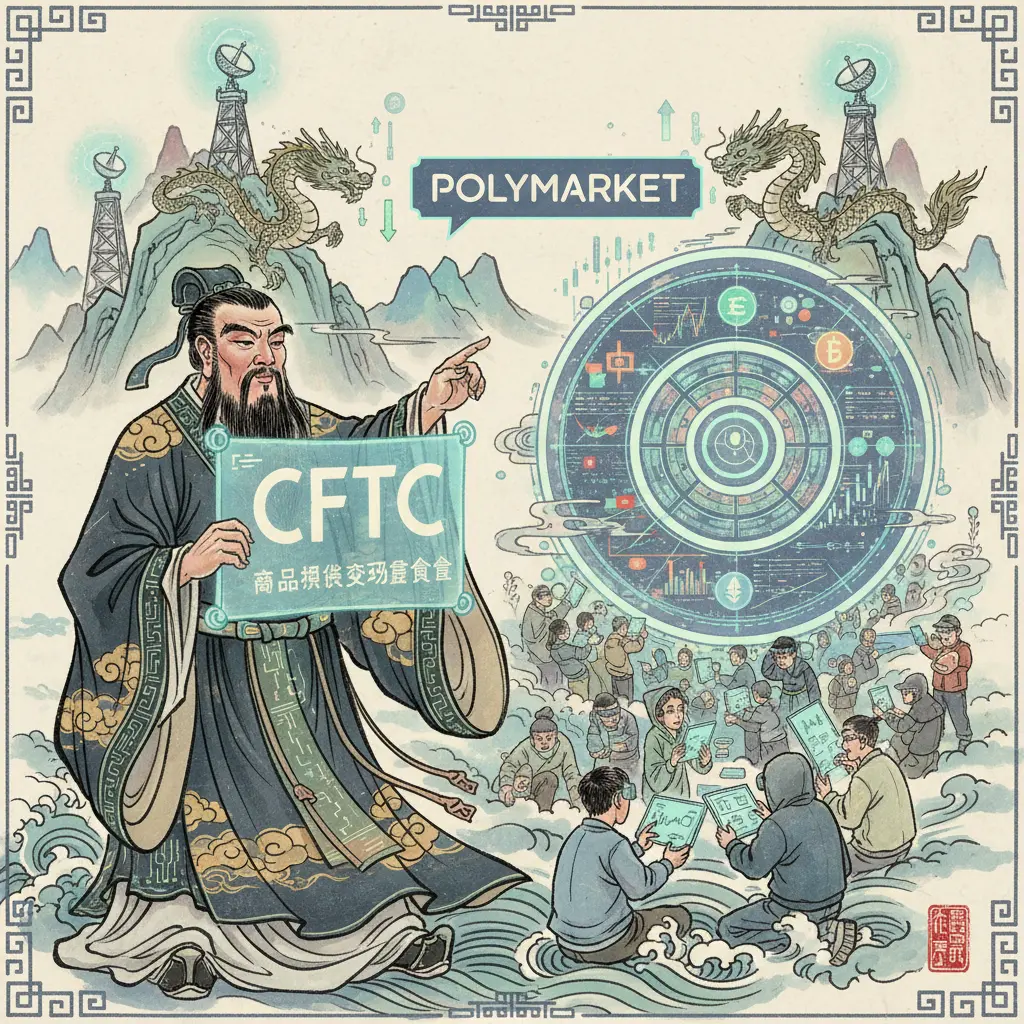
Professional illustration about CFTC
Future of Polymarket
The future of Polymarket looks both promising and contentious as it continues to reshape the prediction market landscape. Founded by Shayne Coplan, the platform has gained traction by allowing users to bet on political events, from election forecasts to ceasefire odds, using cryptocurrency. In 2025, Polymarket faces intensified regulatory scrutiny, particularly from the CFTC, which has been cracking down on unregulated derivatives trading. Despite these challenges, Polymarket’s integration with blockchain technology ensures transparency, a feature that appeals to investors wary of market manipulation.
One of the biggest drivers of Polymarket’s growth is its ability to capitalize on high-profile events. For instance, the 2024 U.S. presidential election saw massive trading volumes, with users speculating on outcomes involving Donald Trump, Joe Biden, and Kamala Harris. The platform’s agility in creating markets around breaking news—like Elon Musk’s Twitter polls or Vitalik Buterin’s public statements—keeps it relevant. However, the involvement of figures like Peter Thiel and Nate Silver as early backers has also drawn criticism, with skeptics questioning whether the platform prioritizes entertainment over financial integrity.
Regulatory hurdles could define Polymarket’s trajectory in 2025. The CFTC has already flagged concerns about the legality of political betting, and a potential clampdown could force the platform to pivot. Some analysts suggest Polymarket might follow the path of traditional financial services, seeking licenses to operate as a regulated exchange. Alternatively, it could double down on its decentralized ethos, leveraging blockchain to circumvent centralized oversight. Either way, the platform’s ability to navigate these challenges will determine its long-term viability.
The global political climate also plays a role in Polymarket’s future. With rising tensions involving leaders like Xi Jinping and Nigel Farage, the platform could expand its markets to include international conflicts or policy shifts. Meanwhile, U.S. state-level politics—such as the rising profiles of Tim Walz and Josh Shapiro—offer niche opportunities for hyper-local prediction markets. Polymarket’s success will hinge on its ability to balance broad appeal with granular, data-driven insights.
From an investment standpoint, Polymarket’s venture capital backing suggests confidence in its model. However, the platform must address concerns about market trends and user trust. For example, controversies surrounding figures like George Cottrell have raised questions about the vetting process for market creators. To maintain credibility, Polymarket may need to implement stricter governance frameworks or partner with established data providers.
Ultimately, Polymarket’s future hinges on three factors: regulatory adaptation, technological innovation, and market diversification. If it can overcome legal hurdles while expanding into new verticals—like sports or entertainment—it could solidify its position as the go-to platform for election prediction and beyond. But if regulatory pressures mount or user confidence wanes, the platform might struggle to retain its early momentum. For now, Polymarket remains a fascinating case study in the intersection of cryptocurrency, investment, and speculative trading.